
Curls Maxxing 2026: How to Get the Best Waves and Curls of Your Life (Part 2: Care)
To follow this blog series, I recommend that you start by reading the first article here.
By now, you know everything there is to know about washing your wavy or curly hair. The next section, which is just as important, covers hair care products for your curls.
But before we go any further: not all curls are the same, and not everyone needs the same hair care products.
What is a skincare product?
Simply put, a conditioning product makes your hair soft. Think of conditioners and nourishing hair masks. But not everyone needs this, or needs it in the same amount. In fact, people with fine, wavy, or curly hair often have naturally soft hair, which causes the curls to lose their shape quickly after they’ve been styled.
For example, I had a client at my salon with super healthy, very soft hair. The only problem was that her curls didn’t last very long. When I asked her what products she used, she said,“I use shampoo, conditioner, hair masks, curl cream, leave-in, serum…” And that made her hair very soft. If that’s what you want, that’s fine! But if you want your curls or waves to be bouncy and last a long time, you need a balanced routine.
How do you develop a balanced routine?
Curls need two things to look beautiful and stay in place: moisture (conditioning) and protein. By “conditioning,” I mean products that make your hair soft, such as conditioners and hair masks. Not the technical definition of moisture, but simply: soft, nourishing products.
If your hair is too soft, the curls won't hold their shape for long. But if your hair has too much protein, that's not good either, because it will become too hard and too stiff. That's why it's important to know the current condition of your hair and to tailor your hair care routine accordingly.
If you'd like to learn more about this, including the technical explanation of moisture and protein, read my article on Protein and Moisture in Curly Hair.
How do you know if your hair needs moisture or protein?
If your hair feels very soft, or if your curls lose their bounce after a few hours, you’re probably using too many conditioning products. In that case, you should use less or no conditioner or conditioning hair mask for the time being and try a protein hair mask instead.
If your hair feels very stiff and dry, or if it's very frizzy, you probably have too much protein. In that case, you should use less protein and more conditioning products.
But first: a reset
Before you make things worse, it’s better to start by washing your hair thoroughly with a clarifying or detox shampoo to give your hair a fresh start. Because sometimes the way your hair feels is just due to buildup, and it’s easiest to fix that when your hair is truly clean, rather than trying to figure out every time whether you need protein or conditioning. For advice on which shampoo to use for this, check out the first part.
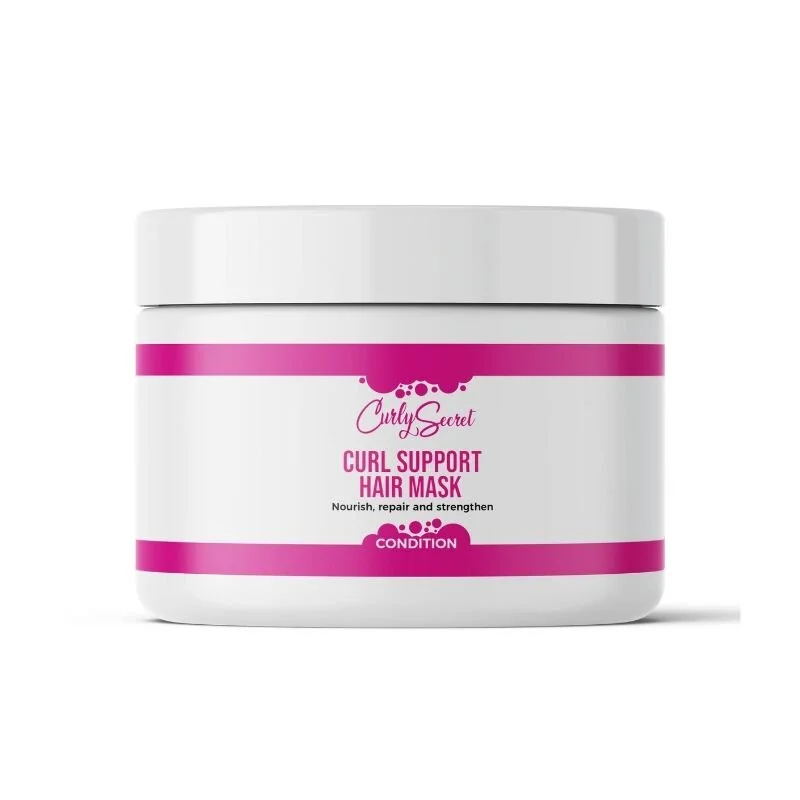
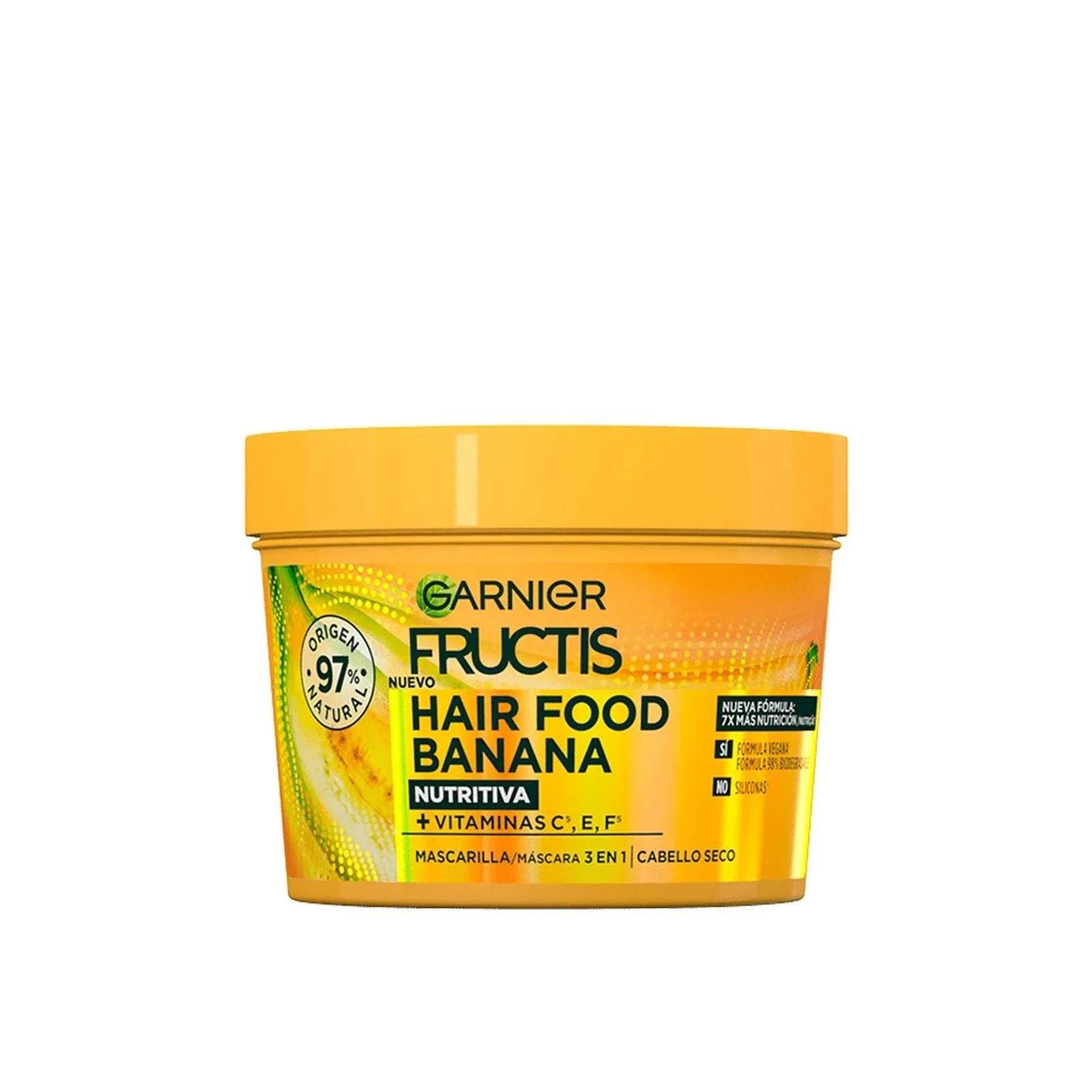
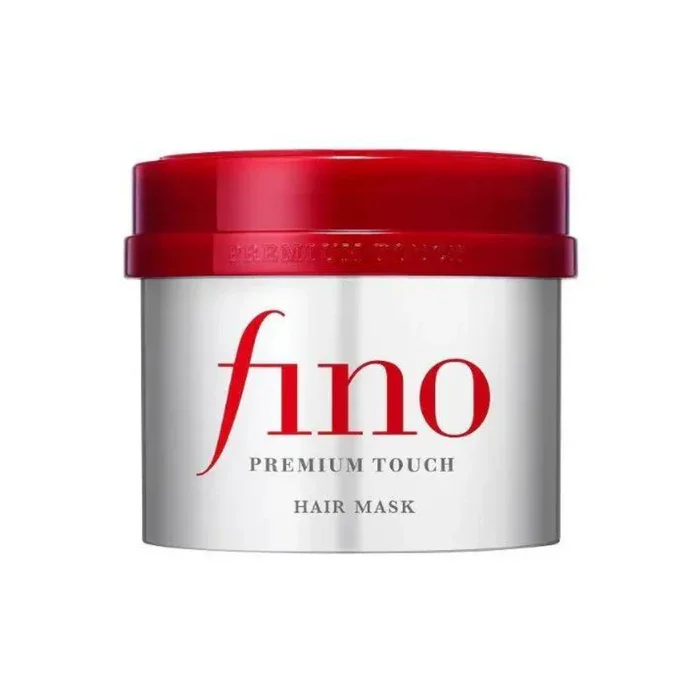
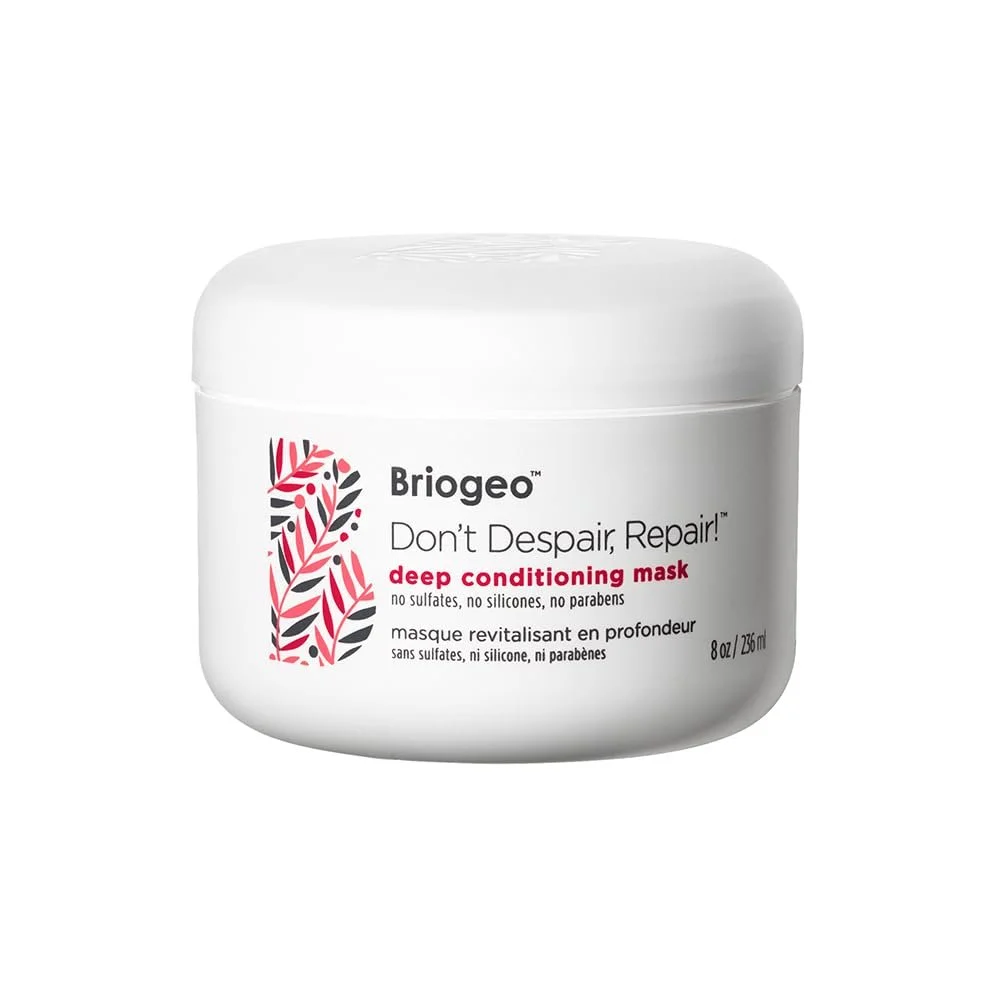
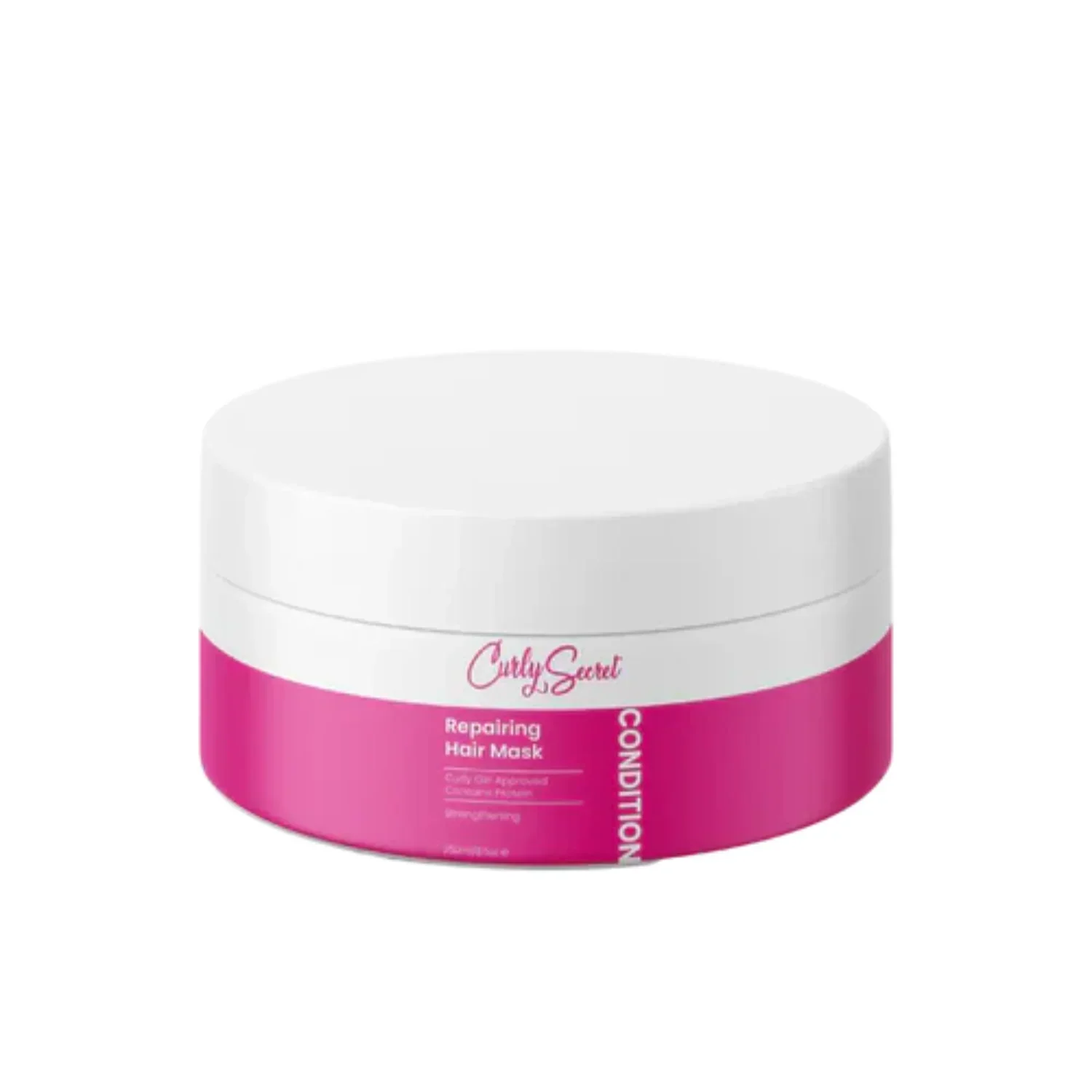
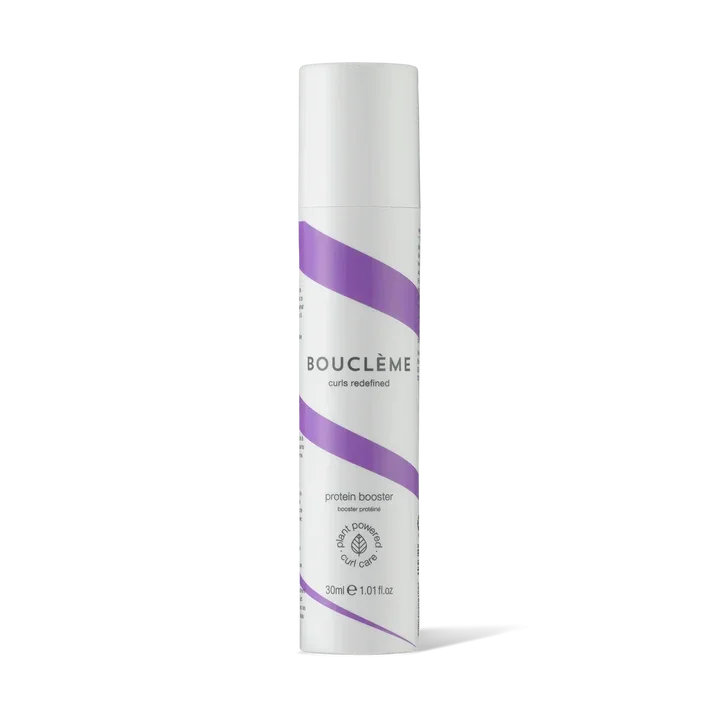
Below are a few of my favorite protein and nourishing hair masks.
Nourishing (moisturizing) hair masks:
Protein hair masks:
Bond treatment: when moisture and protein aren't enough
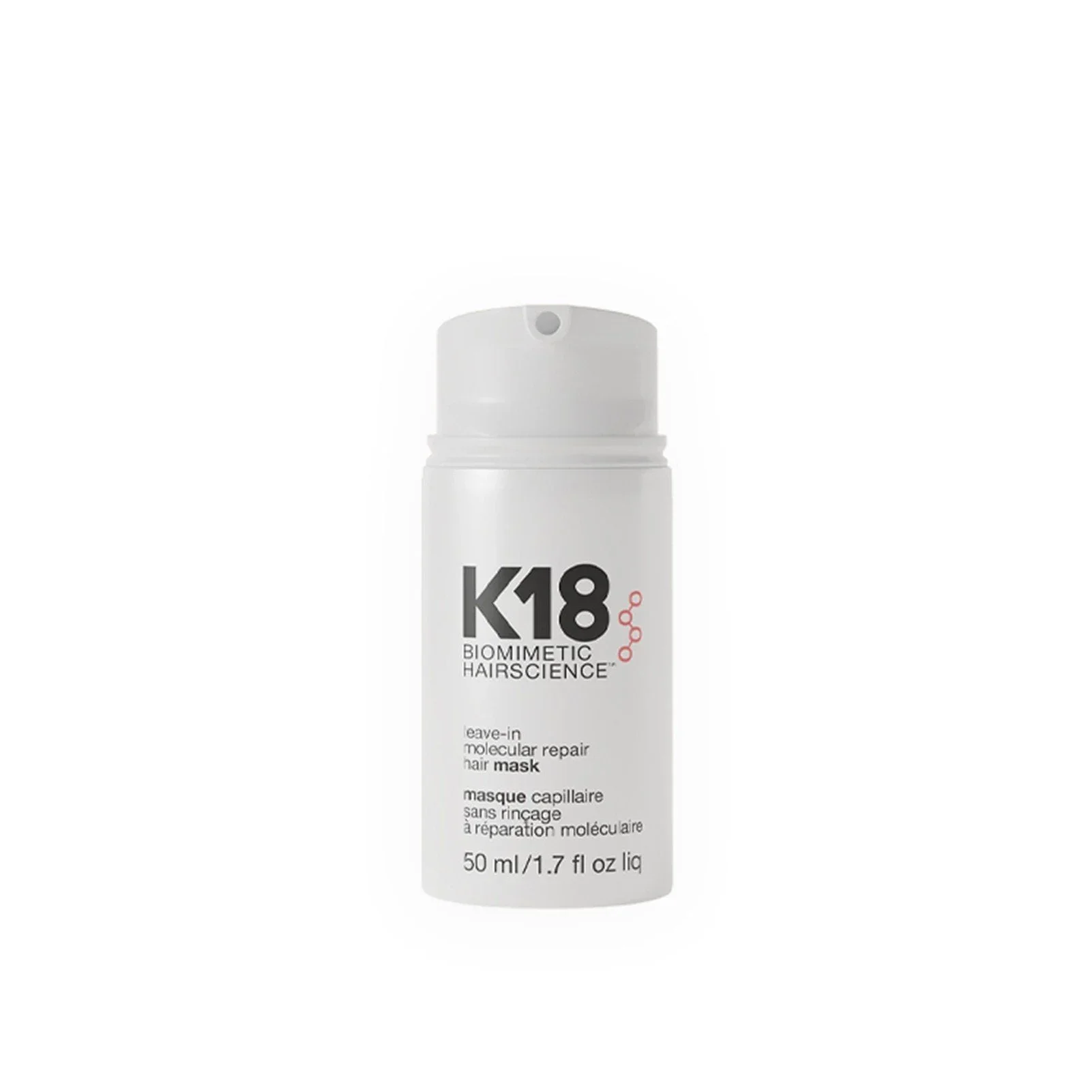
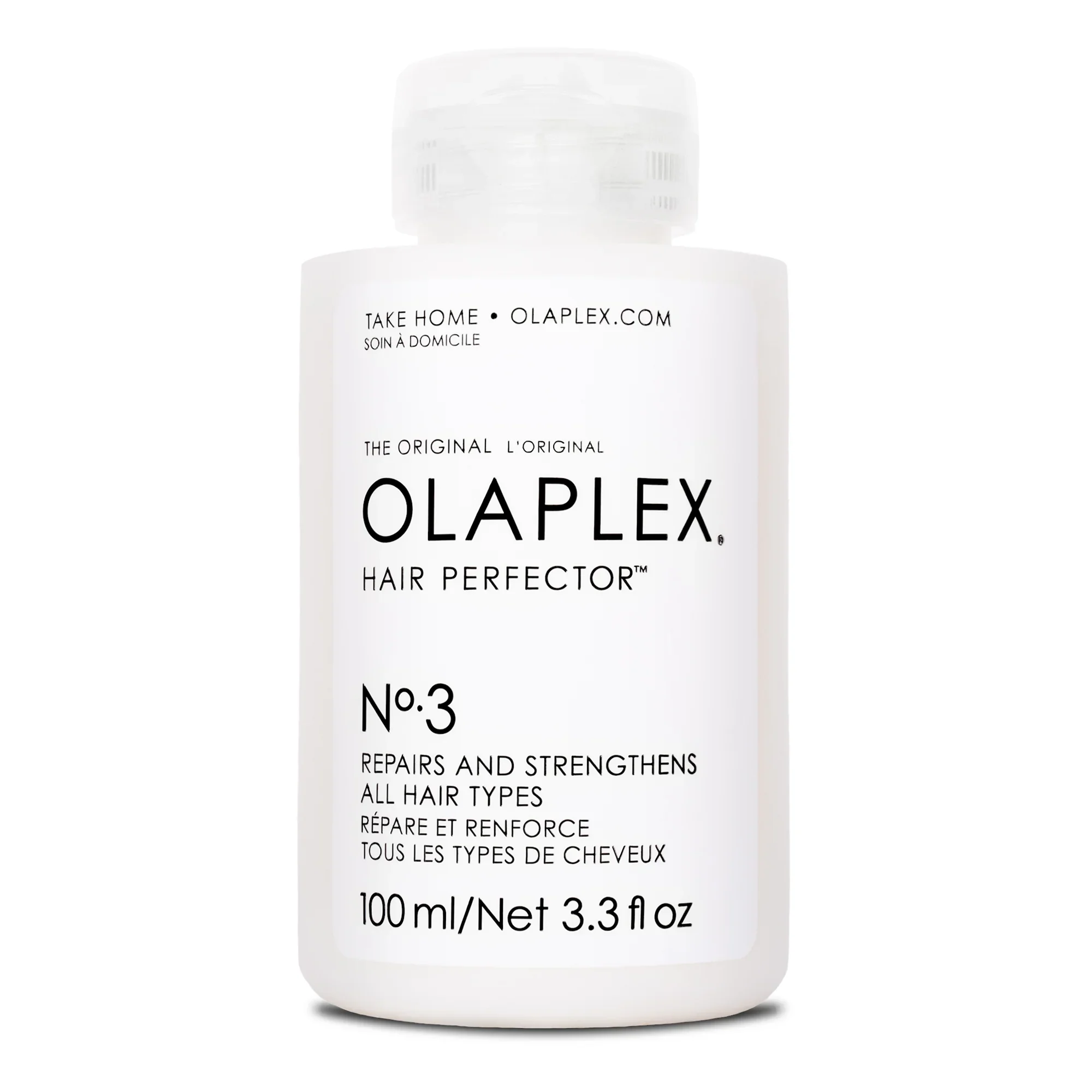
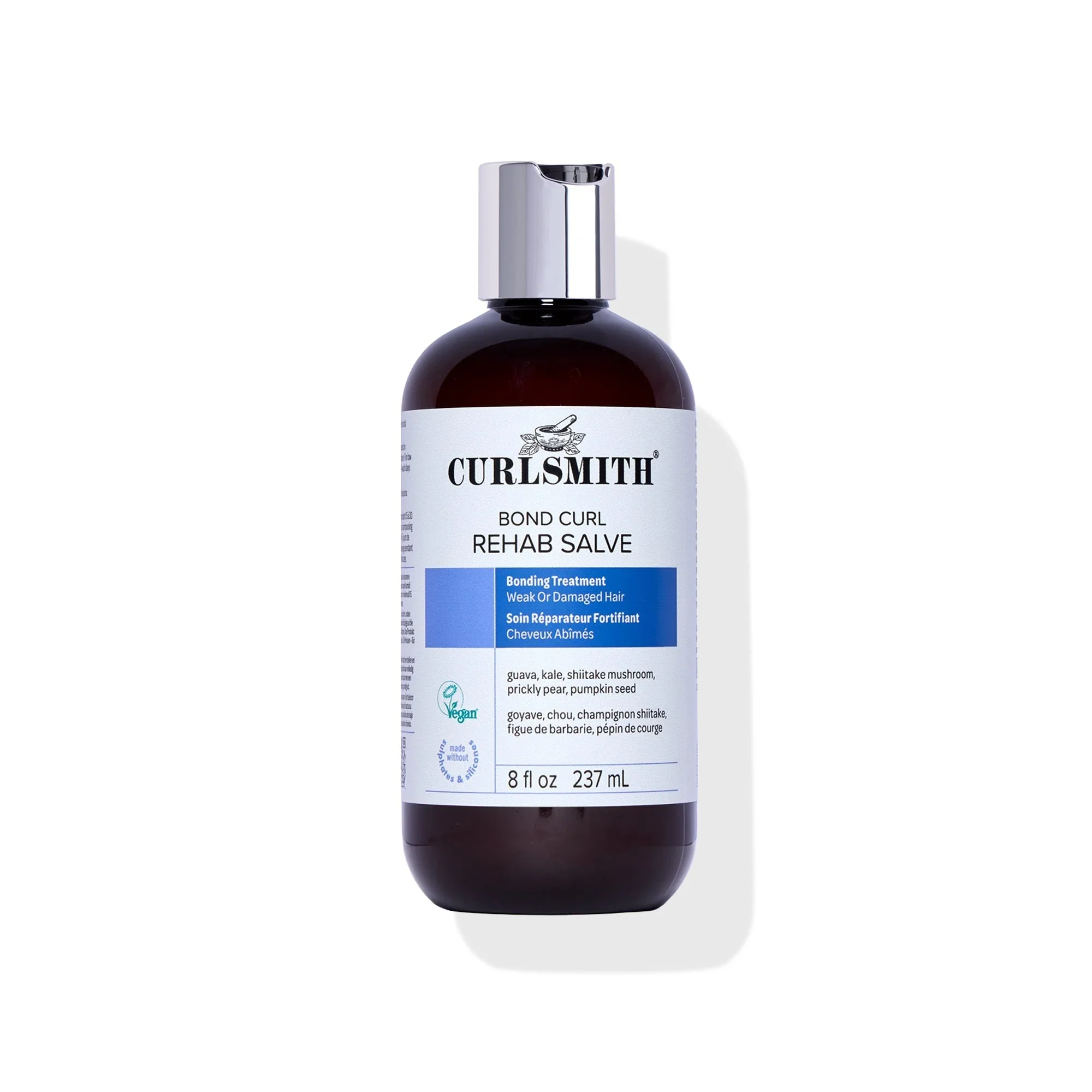
There's a third category that many people forget about, and that's bond treatments. Think of products like K18 and Olaplex No. 3.
Bond treatments work differently than conditioning or protein products. They repair the internal structure of your hair—specifically, the disulfide bonds that are damaged by chemical treatments such as coloring, bleaching, or chemical straightening, as well as by heat or years of using the wrong products.
This is especially relevant if you:
If you have dyed or bleached hair
Used to have your hair chemically straightened (like me!)
Do you notice that your hair is breaking, frizzing, or simply not responding to conditioning or protein treatments the way you'd expect?
Because if your hair is damaged on the inside, conditioning and protein treatments will only help to a certain extent. Your hair needs to be repaired from the inside out first before the rest of your routine can really work.
You don't use Bond Treatments every time you wash your hair. Depending on the product, use it once a week or every few weeks until your hair has recovered. After that, you can use it less often for maintenance.
Below are a few of my favorite hair treatments.
In the next section, I'll be talking about styling. In the meantime, you can read my other blog posts, such as Your curly hair isn’t damaged—it just needs a good hair care routine and Curly Hairstyles Explained: Which Hairstyle Actually Suits Your Curl Type?
Do you have any questions? Feel free to ask them in the comments!
