
"Curl training" is a scam! Here's how you can actually change your wavy or curly hair
This article contains affiliate links.
So many people claim that "curl training" has improved their curls. But is that really true?
I first heard this term when I started taking care of my wavy, curly hair. At the time, my hair was still partially damaged from all the keratin treatments I’d undergone over the years. I thought that if I just kept “training” my hair to curl, I’d eventually get curls. So that’s what I did.
I started curl training using a deep conditioner. At first, I’d twist my hair into curls with my fingers almost every time I washed it, and that was REALLY EXHAUSTING. But I kept at it anyway, because I was convinced that with enough perseverance, I could turn my wavy hair into curly hair.
Another option is to use a curling iron. At first, the results were amazing—lots and lots of curls and ringlets! But those curls started to fall flat after a few hours and looked messy the next day. And instead of accepting my hair for what it really was, I fell right back into that same mindset of “there’s something wrong with my hair.”
Eventually, I got tired of it. The curling routine did work, but only for a short time. The curls didn't even last a whole day, and I felt like my hair was breaking more and more often because I was messing with it too much.
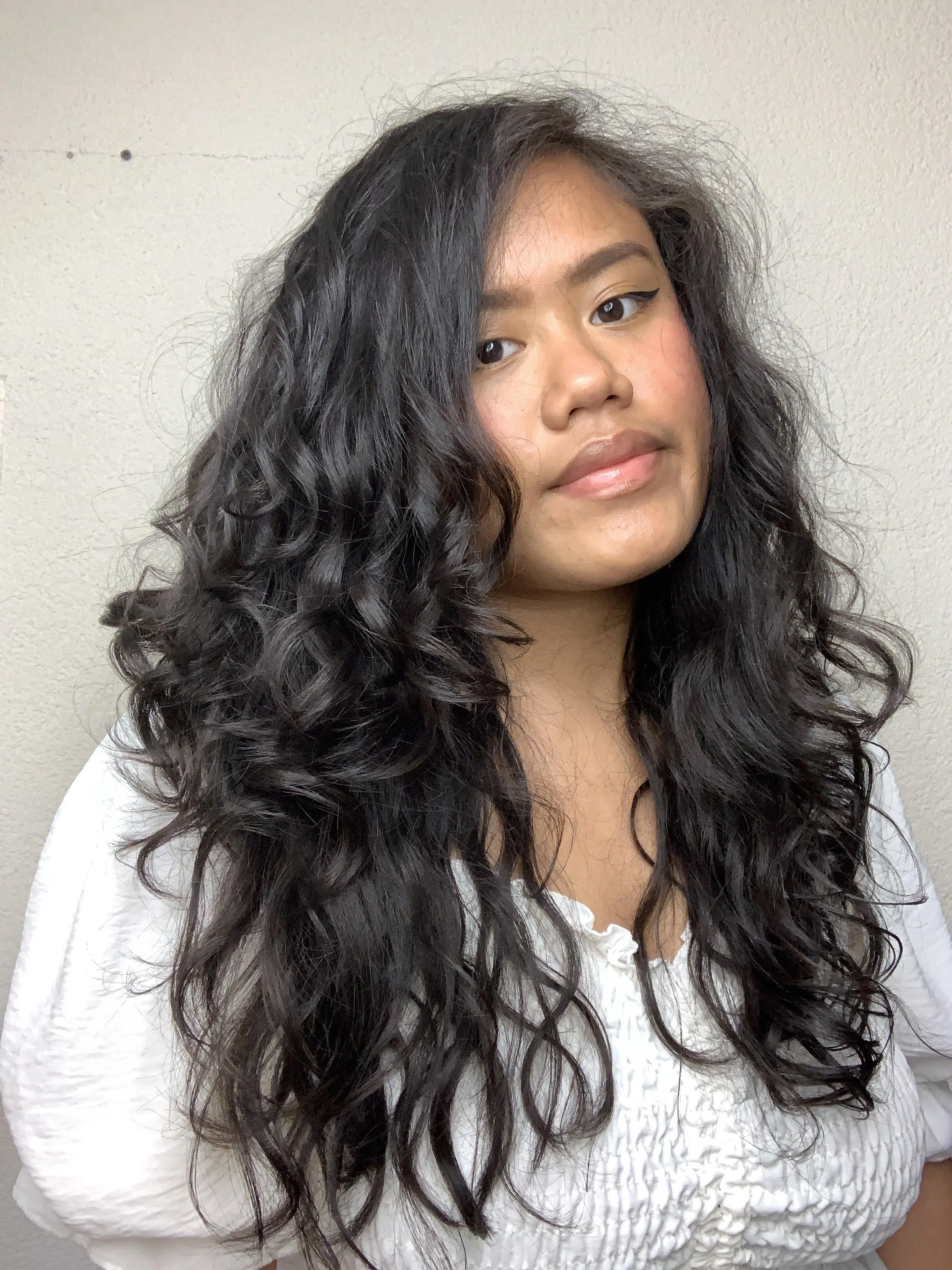
Curls that were barely visible after an intensive “curl workout” on wash day
Here's the thing. People think that curl training works because their hair becomes curlier. But what's actually happening is that their hair becomes HEALTHIER. And for some people, healthier hair also means curlier hair. But that's not always the case.
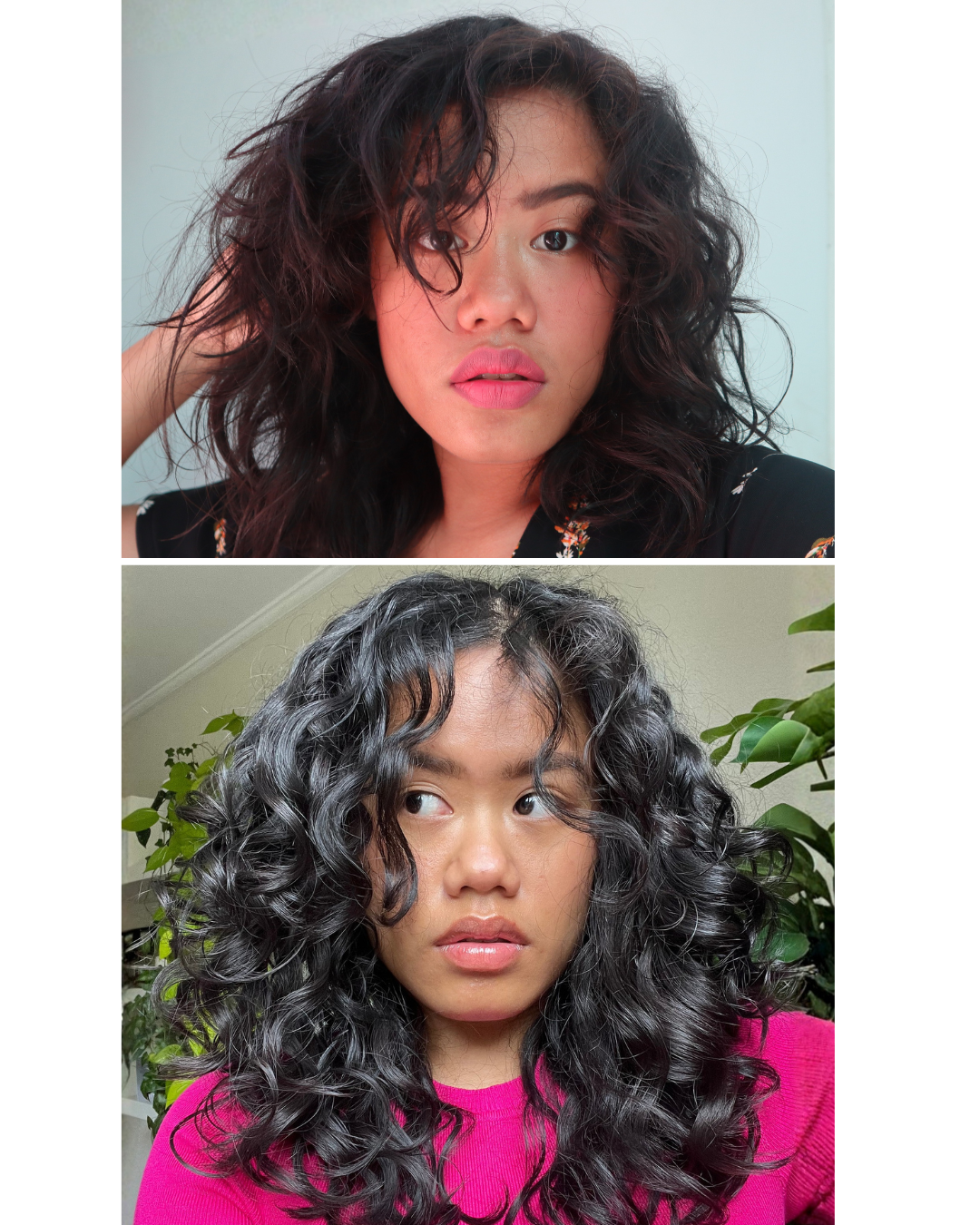
Damaged Hair vs. Healthy Hair
Take my hair, for example. It was never naturally very curly, so no amount of curl training was going to change that. And to be honest, chasing after a texture I’d never naturally had was so exhausting that it felt all too familiar.
So if you’re spending every wash day doing curl training in the hope of getting curls, hear me out. You can do curl training to get more defined curls on a specific wash day, and that’s totally legitimate! But it won’t permanently change your natural texture. At some point, your hair will reach its maximum health and potential, and that’s where it’ll stay. And there’s absolutely nothing wrong with that. Everyone has a different texture, hair type, and curl pattern, and that’s exactly what makes curly hair so beautiful.
What actually causes your wavy or curly hair to change?
1. HAVE REALISTIC EXPECTATIONS
Your hair won’t become any curlier than it naturally is, no matter how often you curl it. While it may become slightly curlier as it gets healthier, curl training alone won’t change your natural curl pattern. The real goal is to get your hair into the healthiest condition possible and then be happy with the result. Once you adopt that mindset, everything becomes a lot easier.
2. KNOWING THE CONDITION OF YOUR HAIR
This is so important and is overlooked far too often! Depending on the current condition of your hair (I go into more detail about this in my starter kit, which you can check out here!), you need to use products that are truly tailored to what your hair needs right now. Someone who has been getting keratin treatments for years, like me, is starting from a very different place than someone with healthy, untreated hair. Your routine needs to be tailored to that. Using the wrong products for your hair’s current condition is one of the main reasons people feel like they’re not making any progress.
3. USE THE RIGHT COMBINATION OF PRODUCTS
Using just a curl cream isn’t enough. If you want beautifully defined curls that last, combining products is very important. The general rule is to pair lightweight, moisturizing products with products that provide hold. Think of a leave-in conditioner, gel, and mousse or foam. This gives your hair texture without weighing it down.
4. PROTEIN AND FLUID BALANCE
This sounds complicated, but it’s actually not that hard once you get the hang of it! Think of it like a scale. Too much moisture and your hair becomes limp and loses its texture. Too much protein and your hair becomes stiff and brittle. When those two are in balance, your washing routine becomes much more consistent and predictable. If your hair feels limp or elastic when wet, it needs more protein. If it feels rough or breaks easily, it needs more moisture.
5. PROTECTING YOUR HAIR AT NIGHT
A great wash day is pointless if you sleep on a cotton pillowcase and wake up with frizzy hair and flattened curls. Protecting your hair at night is just as important as the wash day itself. A silk pillowcase like this one from Curlfriend Collective makes a huge difference, and a silk hair band like the Silke London Hair Wrap (the only one that actually stays on my head while I sleep!) keeps everything in place, so you wake up with your curls still intact.
Want to dive deeper? My ""WHAT NOW?!" Starter Bundle covers everything, from assessing your hair’s current condition to building the right routine step by step. It’s everything I wish I’d known when I started. Check it out here!
Do you believe in curl training? Let me know in the comments below!
