
Your Journey with Wavy and Curly Hair for Beginners: Your First Routine for Hair Types 2A, 2B, 2C, and 3A
This article contains affiliate links.
Taking the first steps in caring for your wavy or curly hair can feel incredibly overwhelming—and I say that as someone who’s been in exactly the same situation. Especially in this information age, where you can literally find the answer to anything with the click of a button, but end up even more confused than when you started.
I get it. I've been through the same thing.
The good news? Embarking on your journey to wavy and curly hair isn't as complicated as it seems. In this article, I'll share some practical tips so you'll know exactly what to do next.
1. GET TO KNOW YOUR HAIR TYPE
First and foremost, get to know your hair well. Your hair profile helps you understand the current condition of your hair and guides you toward the right products and care routines for your hair.
Start by asking yourself:
How does my hair behave when I don't use any products on it?
What signs is my hair showing? Frizz, dryness, flat roots, lack of volume?
What is my hair history?
Have I regularly used heat styling tools, had keratin treatments, or bleached my hair?
How does my hair feel after washing it? Soft, rough, dry, heavy?
Your hair's porosity also plays a major role here. Porosity indicates how easily your hair absorbs and retains moisture, and determines which products are truly right for you.
2. KNOW WHERE YOU'RE STARTING
Once you’ve thought about these questions, you’ll have a clearer picture of the current condition of your hair. Is it untreated hair—meaning it has never been exposed to bleach, keratin, or harsh chemical treatments? Is it slightly damaged? Or has it been through a lot over the years?
This is more important than most people realize. Someone with untreated hair needs a completely different approach than someone with damaged hair. If you know your starting point, you won’t just randomly apply products to your hair and then wonder why nothing works.
3. START WITH WHAT YOU ALREADY HAVE AT HOME
I know how tempting it is to just buy a bunch of products and hope for the best. I've done that myself. It's not worth it. In the end, you'll waste both time and money without achieving the results you actually had in mind.
Before buying anything new, I always advise beginners to first take a look at what they already have at home. You'll be amazed at how much you can change just by using what you already have in a different way.
HOW TO TACKLE YOUR FIRST DAY OF LAUNDRY:
Gently detangle your hair when it’s dry. Stop brushing your hair every day. Only detangle your hair right before you wash it. I recommend that most of my clients, especially those with fine hair, detangle their hair while it’s still dry. If the tangles are stubborn, apply a small amount of hair oil first to make the hair more manageable. Always run your fingers, a wide-tooth comb, or a detangling brush through your hair slowly.
Put your sulfate shampoo aside for a moment. If you’re currently washing your hair with a sulfate shampoo every time you wash it, it’s time to cut back a little. Sulfates strip the hair of its natural oils, which waves and curls need to hold their shape. I usually recommend that my clients with 2A, 2B, 2C, and 3A hair use a sulfate shampoo only once or twice a month, or when their hair really needs a deep cleanse after a significant buildup of product residue.
Think carefully about your conditioner. Most standard conditioners contain silicones, which work well for some people but can block moisture absorption over time. If you’re just starting out, I recommend temporarily switching to something else. Depending on the condition of your hair, a deep conditioner or a bond-building treatment might work much better for you at this stage.
Replace your towel. Skip the regular bath towel. Its rough texture creates friction, and friction causes frizz. Switch to a soft cotton towel or a plain cotton T-shirt. And instead of rubbing your hair dry, gently squeeze the water out in an upward motion. That one change alone can make a noticeable difference.
Don't touch your hair while it's drying. This is often underestimated. Once you’ve applied your products and your hair is drying, leave it alone. Every time you touch it, you disrupt the waves or curls before they’ve had a chance to set. Let it dry completely first, then you can work out the cast, dry it with a diffuser, or style it further.
Use less heat (for now). If you regularly blow-dry or straighten your hair, try not to use any heat styling tools for the first few weeks of your trip. This really gives your hair a chance to show off its natural texture, without heat damage obscuring it. If you do use heat, always apply a protective product first.
4. BUY THE BASIC ITEMS, OBSERVE THE RESULTS, AND ADJUST ACCORDINGLY
Once you’ve gone through the information above, you can start looking for a small number of products that are suitable for someone just starting to care for wavy or curly hair. And I really do mean a small number. You don’t need a full shelf when you’re just starting out.
Start simple, see how she reacts, and build on that from there.
MY RECOMMENDED ESSENTIALS FOR LAUNDRY DAY:
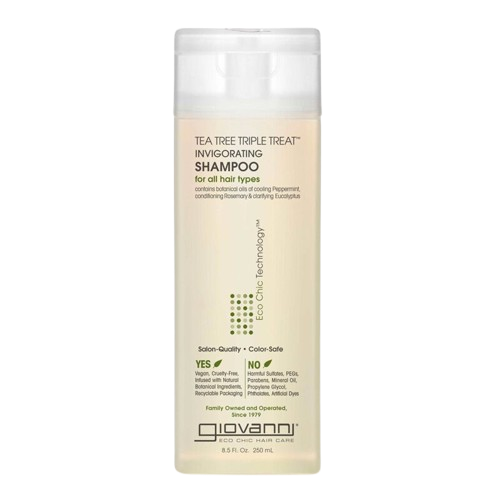
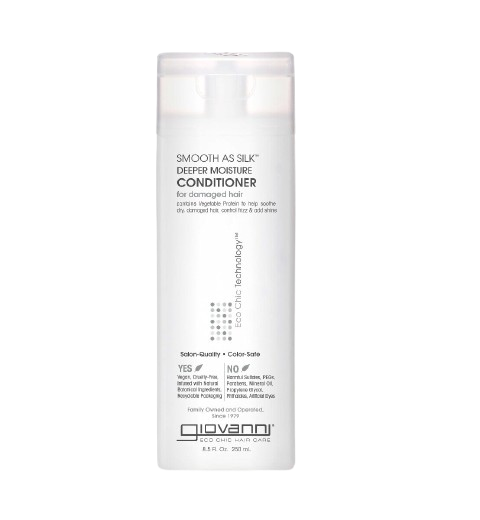
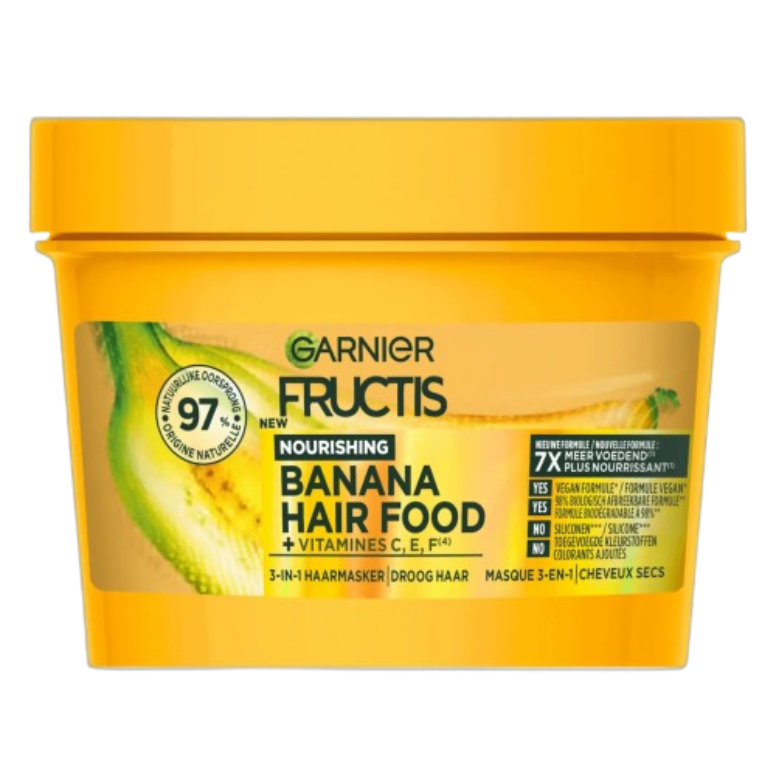
Garnier Fructis Banana Hair Food 3-in-1 (You can use this as a regular conditioner, leave-in conditioner, and hair mask)
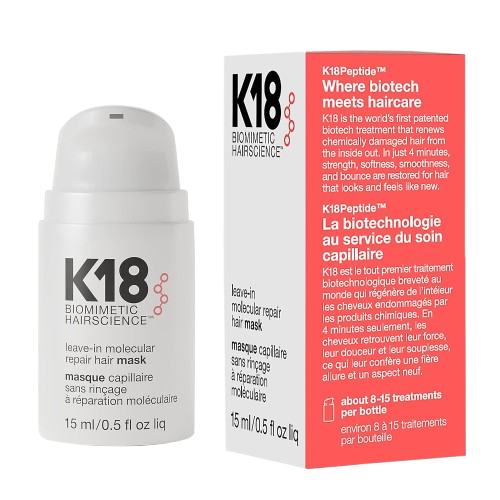
K18 Leave-In Molecular Repair Hair Mask ( Great if you have damaged hair)
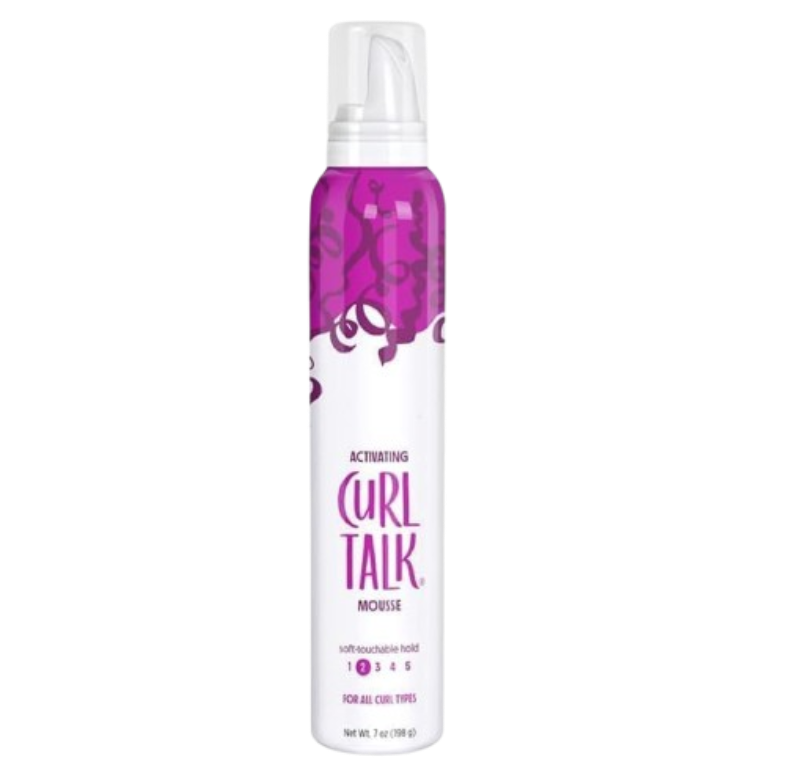
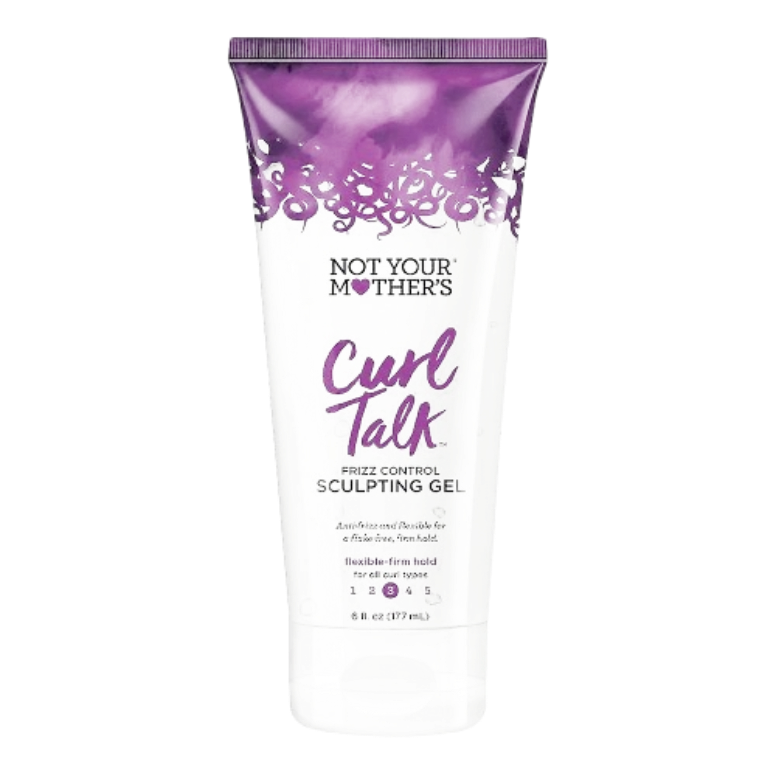
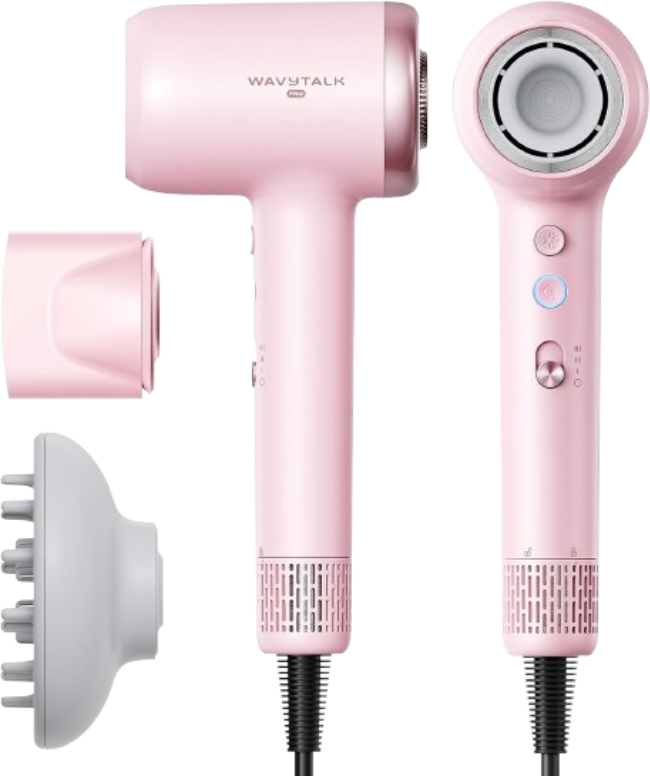
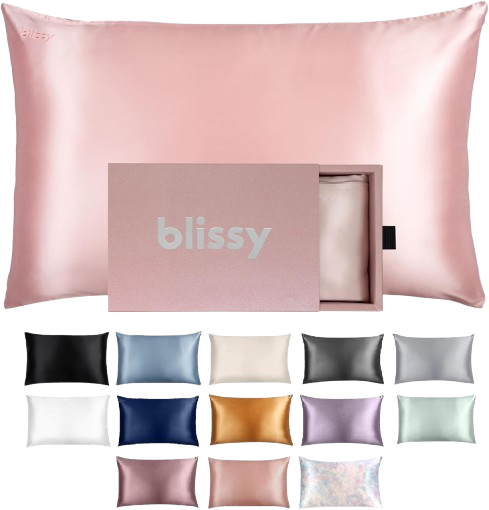
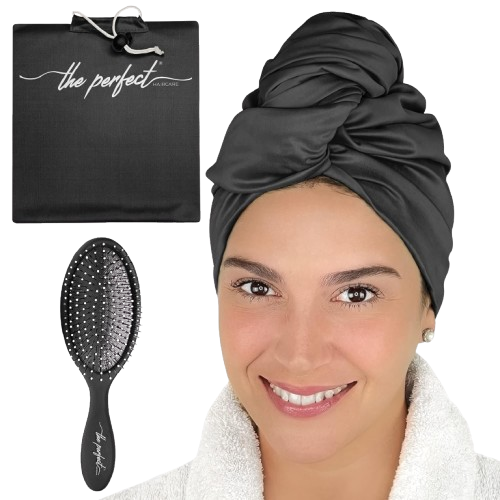
A sulfate-free shampoo and a silicone-free conditioner
A moisturizing hair mask, a protein treatment, and/or a bonding treatment, depending on the condition of your hair
For styling: a light leave-in conditioner, a gel, and a mousse or foam
A light oil to lock in moisture at the end of your wash. That said, not everyone's hair is suited for oil, so try it out first and see how your hair reacts before you decide to use it regularly.
A diffuser attachment for your hair dryer. You don’t need anything special; a regular hair dryer with a diffuser attachment is more than enough. For wavy and curly hair, I always recommend using the hair dryer with the diffuser instead of letting your hair air dry, because this brings out the curls better, adds volume, and ensures that your waves and curls stay beautiful for much longer. If you prefer to let your hair air-dry, I also have tips for that in this article.
To protect your hair at night, a silk pillowcase is ideal. Satin pillowcases are also available, but personally, I don’t recommend satin because it’s a synthetic material that can get quite warm, especially in the summer. My top recommendation is a silk scarf, because it’s more versatile. You can use it as a pillowcase, but it also doubles as a hair accessory.
READY TO GO DEEPER?
That's the basics. To embrace your journey with wavy and curly hair, you need to learn to observe your hair closely, experiment with different techniques, and adjust your approach as you go.
If you want everything in one place, I've broken down the entire beginner's program into my "So Your Hair Is Wavy or Curly! NOW WHAT?!" Starter Package.
Not sure which products to start with? My Easy Start Guide shows you exactly what to buy first.
Feel free to ask any questions in the comments below; I'd be happy to help.
Thanks for reading! xx
